Some Things Worth Giving Up
In the journey of personal and professional growth, there comes a time when we must evaluate what we are holding onto—both literally and metaphorically. Some Things Worth Giving Up is not just a phrase; it's a strategic mindset that can lead to better decisions, improved outcomes, and long-term success. Whether you're an entrepreneur launching a print-on-demand (POD) business or a creator looking for fresh inspiration to update your store, understanding when and how to let go of outdated practices, ineffective strategies, or unproductive habits is essential.
The Strategic Value of Letting Go
Letting go doesn't mean abandoning everything. It means making intentional choices about what no longer serves your goals. In a world where distractions are abundant and opportunities are fleeting, Some Things Worth Giving Up can be the key to unlocking new paths. For instance, if you're running a POD store, clinging to a design that isn’t resonating with your audience might be holding you back from reaching your full potential.
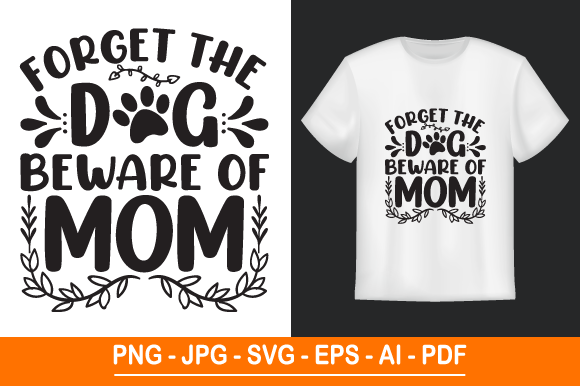
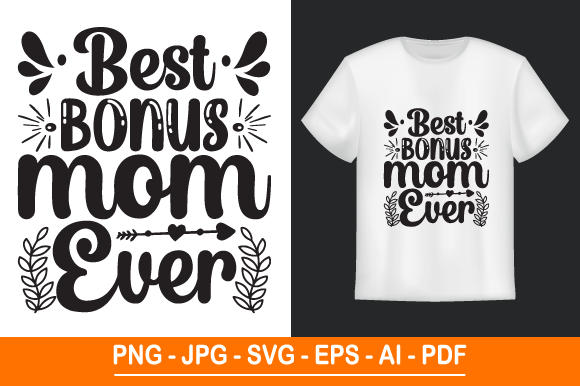
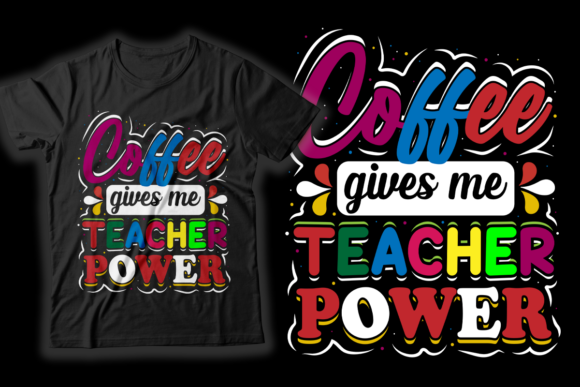
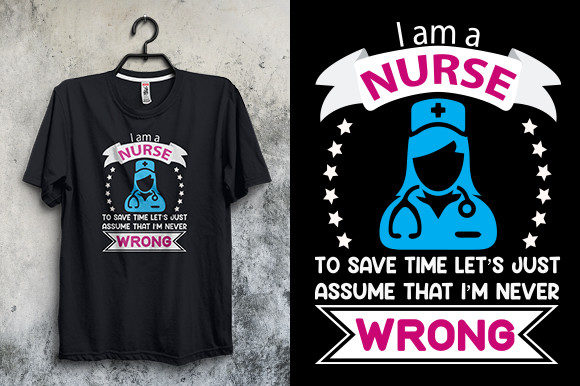
Consider this: a unique square design, sized perfectly for posters, mugs, shirts, and more, can be a game-changer. Pairing encouraging text with a beautiful image creates a powerful message that lifts customers and builds brand loyalty. This 2000 x 2000 pixel square is versatile enough to work across a wide range of products—from tumblers and hoodies to cards and phone cases. When used strategically, such designs can elevate your customer experience and support your branding efforts.
How to Apply Some Things Worth Giving Up in Your Business
Applying Some Things Worth Giving Up starts with identifying what no longer aligns with your vision. Here are some practical steps to help you make informed decisions:
- Review your current offerings: Are your designs still relevant? Do they reflect your brand’s values and messaging?
- Analyze customer feedback: What do your customers say about your products? Are there common themes that suggest a need for change?
- Assess your performance metrics: Look at sales data, engagement rates, and customer retention. If certain products aren’t performing well, consider replacing them.
- Invest in quality over quantity: A few high-performing designs can outperform a large collection of mediocre ones.
- Stay adaptable: The market evolves, and so should your approach. Be willing to pivot when necessary.
By letting go of outdated or underperforming elements, you free up resources—time, money, and energy—to focus on what truly matters. This is especially important in the fast-paced world of e-commerce and digital product creation.
Use Cases for Some Things Worth Giving Up
Let’s explore real-world scenarios where Some Things Worth Giving Up can make a significant impact:
1. Outdated Branding Strategies
Many businesses cling to old branding tactics that don’t resonate with modern audiences. For example, using generic stock images instead of original, meaningful designs can make your products feel impersonal. By investing in unique visuals like the square design mentioned earlier, you create a stronger emotional connection with your customers.
2. Inefficient Operations
Operational inefficiencies can drain your resources and slow down your growth. Consider whether your workflow includes unnecessary steps or tools that don’t add value. Streamlining these processes can improve productivity and reduce costs.
3. Poor Customer Experience
A poor customer experience can damage your reputation and drive away potential buyers. If your website is cluttered, your checkout process is cumbersome, or your customer service is lacking, it’s time to reassess. Prioritizing user-friendly design and excellent support can significantly boost satisfaction and loyalty.
4. Unprofitable Product Lines
Not all products will perform equally. Some may have high production costs but low demand. By identifying and eliminating these, you can allocate your budget more effectively and focus on items that generate consistent revenue.
Strategic Observations and Decision-Making Guidance
When deciding what to give up, it’s crucial to base your choices on clear goals and measurable outcomes. Ask yourself:
- Does this element contribute directly to my core mission?
- Is it aligned with my target audience’s preferences and needs?
- Am I wasting time or resources on something that doesn’t deliver value?
- What would happen if I removed this part of my strategy?
These questions help ensure that your decisions are thoughtful and purposeful rather than impulsive. Remember, Some Things Worth Giving Up is not about cutting corners—it’s about optimizing your efforts for maximum impact.
Risks of Not Applying Some Things Worth Giving Up
Failing to apply this principle can lead to several risks, including:
- Stagnation: Without regular evaluation and adjustment, your business may become stagnant and fail to adapt to changing trends.
- Resource Drain: Continuing to invest in ineffective strategies can deplete your time, money, and energy without meaningful returns.
- Missed Opportunities: Holding onto outdated methods can prevent you from exploring innovative solutions that could drive growth.
- Decreased Customer Satisfaction: If your offerings don’t meet evolving customer expectations, you risk losing their trust and loyalty.
By recognizing these risks, you can take proactive steps to avoid them and maintain a competitive edge in your industry.
Conclusion
Some Things Worth Giving Up is a powerful concept that encourages strategic thinking and intentional decision-making. Whether you're updating your POD store, refining your branding, or improving your operations, the ability to let go of what no longer serves you is essential. By applying this mindset, you can create a more focused, effective, and successful business that resonates with your audience and delivers long-term value.