Made for Each Other
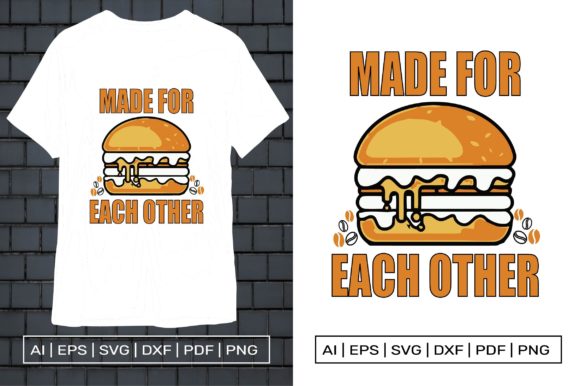
Made for Each Other is a unique and versatile design that has become a staple in the world of print-on-demand businesses, creative projects, and personalized merchandise. Its appeal lies in its universal theme of connection, unity, and shared experiences, making it highly relatable across various demographics. Whether you're a small business owner looking to expand your product line or an independent creator aiming to make an impact, this design offers a powerful visual statement that resonates with a wide audience.
Why Made for Each Other Works for Print On Demand
The beauty of the "Made for Each Other" design is its adaptability. It's not just a simple graphic—it’s a concept that can be applied to multiple products and platforms. From t-shirts to mugs, bags to stickers, this design serves as a bridge between personal expression and mass appeal. The key to its success is its ability to communicate a message without being too literal, allowing users to interpret it in their own way.
For print-on-demand businesses, having access to high-quality digital files is essential. The "Made for Each Other" design comes with a complete set of professional-grade files, including a DXF, SVG, PDF, PNG, EPS, and AI format. These files are all at 300dpi, ensuring sharp and clear output on any medium. The dimensions are also optimized for printing, with a resolution of 4500×5400 pixels, which is ideal for both small and large-scale production.
How to Use the Made for Each Other Files
One of the biggest advantages of these files is their versatility. They can be used across a variety of platforms and tools, making them a valuable asset for creators who work with different software or hardware. Here’s how you can integrate them into your workflow:
- T-Shirts and Clothing Printing: This design is perfect for creating t-shirts that speak to themes of friendship, family, and community. You can use it as a standalone design or pair it with other graphics for a more dynamic look.
- Cutting Machines: The vector-based files (SVG, EPS, AI) are compatible with most cutting machines, allowing you to create custom-shaped products like keychains, coasters, and more.
- Bags and Stickers: The scalable nature of the design ensures that it looks great on smaller items like stickers or larger ones like tote bags. The transparent PNG file is especially useful for creating layered designs.
- Printable Decor and Cards: Whether you're designing greeting cards, invitations, or decorative prints, the clean lines and bold typography of this design add a touch of elegance and modernity.
- Scrapbooking and Posters: The high-resolution files are perfect for detailed projects such as scrapbooking, posters, and even wall art. The PDF and PNG formats are ideal for print and digital use.
When working with these files, it's important to consider the compatibility of your design software. Most vector programs like Adobe Illustrator or Inkscape can open the AI and EPS files, while the SVG and PDF formats are widely supported by online tools and printers. For those using cutting machines, the DXF file is often the preferred format due to its precision and compatibility with most machines.
Practical Workflow Integration
Incorporating the "Made for Each Other" design into your workflow should be seamless and efficient. Here’s a practical example of how you might use it in a print-on-demand business:
- Design Phase: Start by opening the AI or SVG file in your preferred design software. Customize the text or colors to match your brand or campaign. Make sure to maintain the integrity of the original design while adding your unique touch.
- Testing and Preview: Before sending the file to print, test it on a sample product or use a print preview tool to ensure that the colors and layout look as intended. This step helps catch any issues before mass production.
- Production: Once the design is finalized, upload the file to your print-on-demand platform. Choose the appropriate product type and size, and let the system handle the rest. The high-quality files ensure that the final product meets your standards.
- Marketing: Use the design as part of your marketing strategy. Create social media posts, email campaigns, or promotional materials that highlight the uniqueness of the design and its universal appeal.
By following this workflow, you can ensure that the "Made for Each Other" design is not only visually appealing but also strategically placed within your broader business goals.
Quality Control and Long-Term Use
Ensuring the quality of your printed products is crucial for maintaining customer satisfaction and brand reputation. When using the "Made for Each Other" design, pay attention to the following aspects:
- File Resolution: Always verify that the file is at 300dpi, as lower resolution images can lead to blurry or pixelated prints.
- Color Accuracy: Test the color profile on different materials to ensure consistency. Some fabrics may absorb ink differently, so it's best to do a small batch test before going full production.
- File Format: Choose the right format based on your needs. For cutting machines, use DXF or SVG; for print, go with PDF or PNG.
- Organization: Keep your files organized in a dedicated folder. Labeling each file clearly will save you time and prevent confusion when working on multiple projects.
Over time, the "Made for Each Other" design can be reused for new products or campaigns. Its timeless theme means it remains relevant across seasons and trends, making it a valuable addition to your design library.
Conclusion
The "Made for Each Other" design is more than just a visual element—it's a concept that brings people together. Its versatility, high-quality files, and broad applicability make it an excellent choice for anyone involved in print-on-demand, creative design, or personalized merchandise. By understanding how to integrate this design into your workflow, you can enhance your offerings and connect with your audience in meaningful ways.